 ultimate-guide
Mine Site Fire Suppression Compliance Standards Explained
Quick Summary
Mine fire suppression compliance in Australia is a layered set of duties, not one standard. Operators must meet the Work Health and Safety legislation for their state or territory and match suppression systems to their own risk assessment, alongside mandatory codes and referenced Australian Standards.
- Mandatory codes of practice are generally treated as the minimum expected standard.
- Keep a register recording whether each requirement is binding or advisory and its source.
- Each checklist line should have a requirement source, control, evidence record and owner.
- Spot-check at least one checklist item per shift and record who verified it and when.
- Track every inspection defect to closure with a named owner and evidence.
Table of Contents
- Which Fire Suppression Standards Apply to Australian Mine Sites
- Mine Site Safety Protocol Compliance Checklist
- Mine Fire Suppression System Inspection and Maintenance Intervals
- Mobile Plant Fire Suppression Requirements
- Mine Fire Suppression Inspection Checklist and Audit Evidence
- Booking a Compliance Review of Your Mine Site Fire Suppression Systems
- Frequently Asked Questions
Which Fire Suppression Standards Apply to Australian Mine Sites
Last Updated: November 1, 2026
Mine fire suppression compliance in Australia is governed by a layered set of requirements, and the first job is knowing which layer binds you. Mine site operators must meet the duties under the relevant Work Health and Safety legislation for their state or territory, and in practice this means matching your fire suppression systems to the risks identified in your own risk assessment.
Binding requirements versus guidance
Not every document in the compliance pack carries the same weight. Mandatory codes of practice, where issued by the state or territory regulator, are generally treated as the minimum expected standard, and deviating from them requires you to show an equivalent or safer outcome.
Keep a register that records, for each requirement, whether it is binding or advisory and which document it comes from. Auditors commonly ask how you reached a decision, and a clear register answers that question before it is asked.
Mine Site Safety Protocol Compliance Checklist
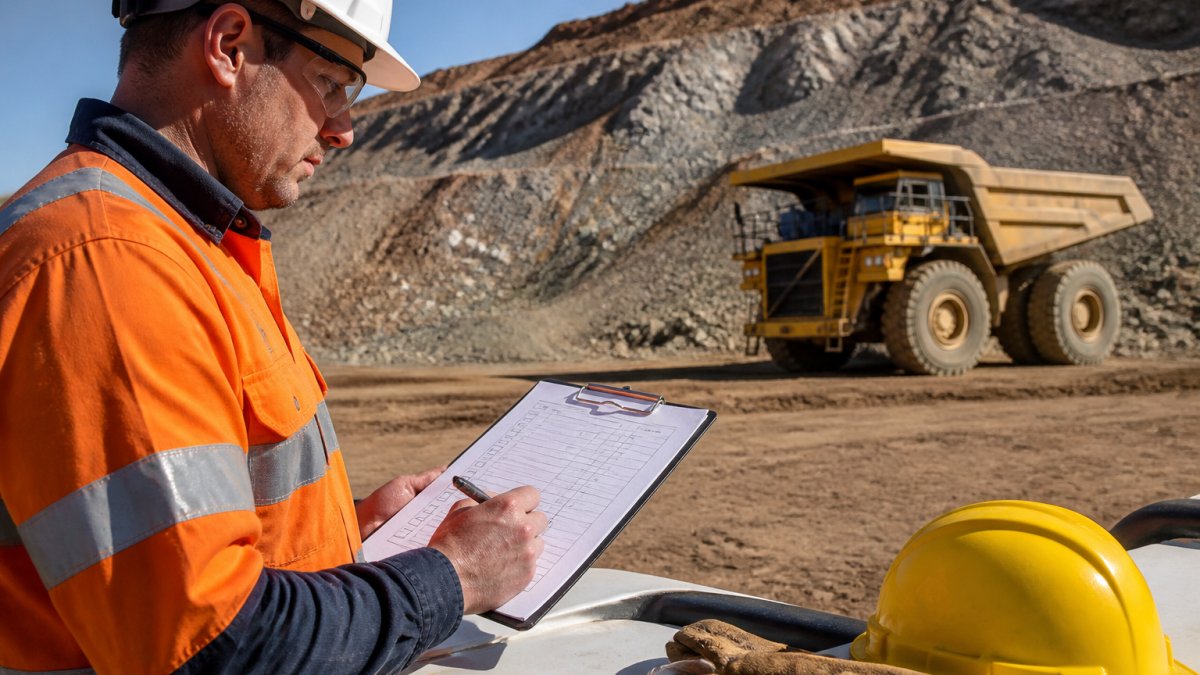
A mine site safety protocol compliance checklist turns the legal framework into something your supervisors can act on each shift, and, more importantly, into evidence a regulator or auditor can verify.
Start with the hazards that matter most on mine sites: ignition sources from mobile plant, electrical installations, hot work, and fuel or hydraulic fluid leaks around engines, conveyors and fixed plant.
A practical, audit-ready checklist should confirm that:
- Fire risk assessments are current and reflect any change in plant, layout, substances or operations, with a dated review trigger for modifications
- The register of binding requirements identifies, for each item, the instrument (WHS Act and Regulations for your jurisdiction, the applicable mandatory code of practice, and any referenced Australian Standard) and whether it is binding or advisory
- Suppression and detection systems are listed on the maintenance register with asset identifiers, inspection dates, next due dates and the standard or manufacturer requirement each interval is based on
For the reader who needs fire suppression compliance in one place, this list is the bridge between your regulatory obligations and daily practice. You can see the fire suppression service offering and book the work directly.
Mine Fire Suppression System Inspection and Maintenance Intervals
Inspection and maintenance intervals are where many sites fall behind, usually because the schedule was built for one system type and then applied to everything. Intervals should follow the manufacturer's requirements and the applicable standard, and they should be shorter for systems exposed to dust, heat and vibration, which describes most mine environments. The practical fix is a consolidated schedule that names the system type, the check, the frequency, the governing reference and the record produced, so nothing is assumed to be covered by something else.
Inspection and testing intervals by system type
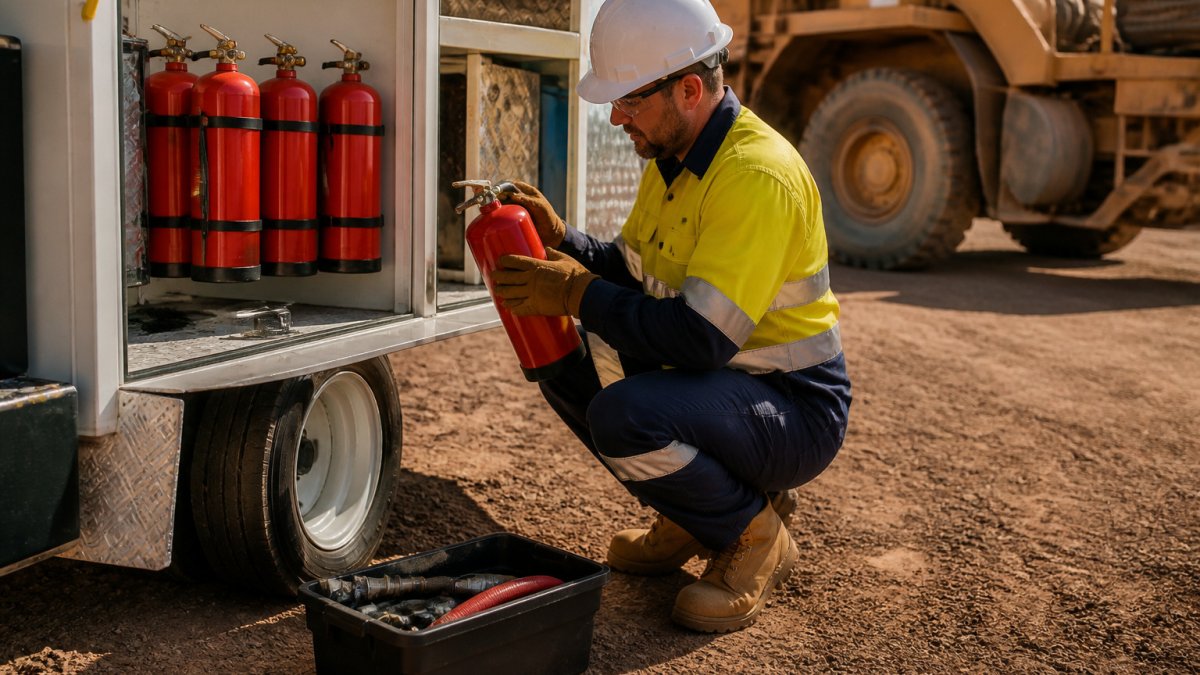
Group your fire suppression assets by type and assign each group its own schedule. Portable extinguishers, fixed suppression on fixed plant, mobile plant systems, detection and alarm panels, and water supply each have different testing requirements and different records to keep.
| System type | Typical check | Typical frequency | Governing reference to confirm | Record to keep |
|---|---|---|---|---|
| Portable extinguishers | Visual and pressure check; annual service; pressure test at the interval set by the standard | Monthly visual, annual service, longer-cycle pressure test | The Australian Standard for portable fire extinguishers and the manufacturer's instructions | Service tag, register entry, service certificate |
| Fixed suppression on fixed plant | Agent quantity and pressure, nozzle condition, detection element, discharge test where the standard permits | Per manufacturer and the design standard, often more frequent in dusty conditions | Manufacturer documentation and the standard the system was designed to | Inspection certificate and test report |
| Mobile plant suppression | Nozzle coverage of engine bay, fuel and hydraulic components; detection element free of dust; mounting integrity | Per manufacturer, with in-situ checks between workshop services | Manufacturer documentation and the vehicle's risk assessment | In-situ inspection record and workshop certificate |
| Detection and alarm panels | Functional test of detection circuits, alarms and interlocks | Per manufacturer and the applicable standard | Manufacturer documentation and the standard for fire detection and alarm systems | Test log with pass/fail and defects |
| Water supply and distribution | Flow and pressure test, valve exercise, tank level and pump start | Per design and the applicable standard | Design documentation and the relevant Australian Standard | Commissioning and periodic test report |
Confirm every interval against the current manufacturer documentation and the standard that governs each system before you adopt it, as requirements change and a schedule copied from another site may not reflect your design basis.
From installation to demonstrated compliance: acceptance testing
A system that has been installed is not the same as a system that has been shown to work. Commissioning and acceptance testing should demonstrate coverage, agent suitability for the hazard, detection response, alarm and interlock operation, and discharge behaviour where the standard permits a test. Record the pass/fail criteria, the test method, the person conducting the test and the result.
Records, defects and audit readiness
Each inspection should produce a dated, signed record capturing the asset identifier, the inspector's name and qualifications, the findings, any defects, the corrective action and the closure date. Retain certificates and test reports alongside the register, and keep them digitally with a defined retention period so records are retrievable quickly. Track defects to closure, an open defect with no owner is the most common finding in an internal audit.
Mobile Plant Fire Suppression Requirements
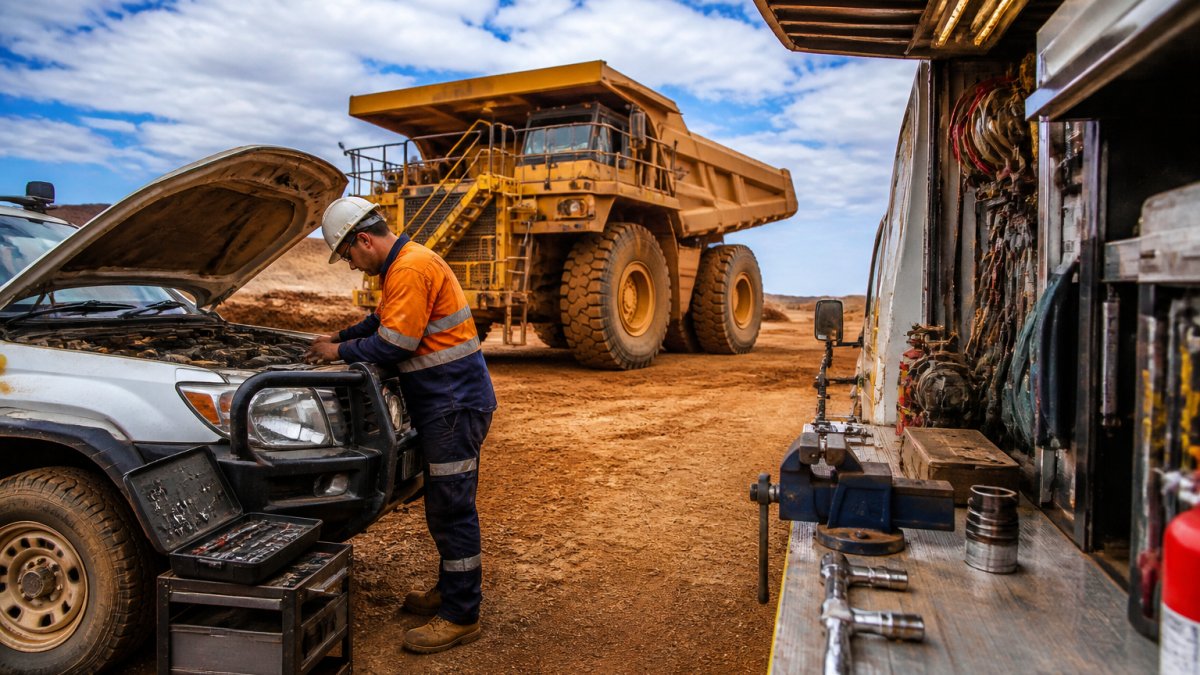
Mobile plant presents a different risk profile from fixed installations.
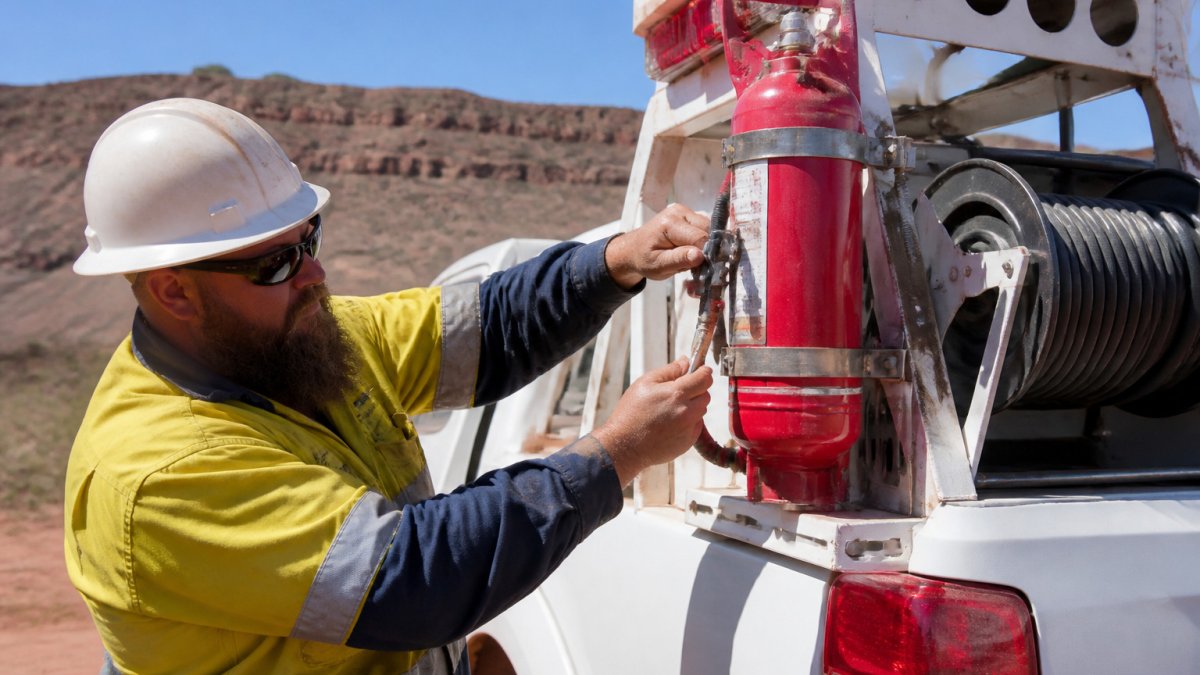
Check that each vehicle's suppression system matches its risk assessment, that the nozzles are positioned to cover the engine bay and fuel and hydraulic components, and that the detection element is not obstructed by dust or equipment wear.
A common mistake is treating mobile plant as a fixed-asset problem. The system may pass a workshop test and still fail once the vehicle has been operating in a dusty pit for three months.
Mine Fire Suppression Inspection Checklist and Audit Evidence
When an auditor or regulator arrives, your records are the evidence.
For each inspection, capture the asset identifier, the date, the inspector's name and qualifications, the findings, any defects, and the corrective action with a closure date. You can check how to verify technician certifications before the audit.
Audit readiness means you can produce the record for any asset within minutes, not days. Run an internal audit against this checklist at least once a year and close every finding with evidence.
Booking a Compliance Review of Your Mine Site Fire Suppression Systems
If you are not sure whether your current register, intervals and records would stand up to scrutiny, a compliance review is the fastest way to find out. You can review our fire suppression services for light vehicles, or our mine site compliance fit-outs and mobile support, to see how we cover installation, servicing and compliance testing across a site.
For a direct conversation about your sites, get in touch. Pricing depends on the number of assets, their type and location, and the scope of work, so the most accurate figure comes from a site-specific quote.
Frequently Asked Questions
What fire suppression standards apply to mine sites?
Mine sites in Australia are governed primarily by the work health and safety laws of each state or territory, which apply the model Work Health and Safety Act and its regulations, alongside mine-specific rules enforced by the relevant state mining regulator. Fire risk must be managed so far as is reasonably practicable, and the operator must identify ignition sources, assess fire risk and keep documented controls in place. Technical design and maintenance are usually shaped by Australian Standards for fire protection equipment, such as the AS 1851 series for maintenance of fire protection systems. Because requirements differ by jurisdiction and site type, confirm the exact obligations with your state regulator and your site's mining management plan.
How often should mine fire suppression systems be inspected and serviced?
The interval depends on the system type, the manufacturer's requirements, the applicable Australian Standard and the conditions the equipment works in. Fixed suppression systems on vehicles and plant are commonly inspected visually at regular intervals and fully serviced at longer intervals, with dust and heat exposure in the Goldfields typically shortening those periods. Document the interval you have adopted in your maintenance schedule and justify it against the risk assessment. Records of each inspection, test and repair should be retained so that you can show the system was maintained as planned.
What fire suppression systems are required for mining vehicles and mobile plant?
There is no single prescribed system for every vehicle. The requirement is driven by the risk assessment, which considers fuel and hydraulic fluid loads, engine heat, enclosed cabins and the proximity of workers. Many operators fit fixed agent or water-based suppression to engine compartments of higher-risk plant, backed by portable extinguishers. Selection should follow the equipment manufacturer's guidance and be recorded in the site's fire prevention procedures. Light vehicle fleets should be assessed the same way, not exempted by default.
What should a mine site fire suppression compliance checklist include?
A practical checklist covers the register of suppression systems by asset, the applicable standard for each system, the last inspection and service dates with the next due date, test results, defect and repair records, training records for operators, and evidence of the current risk assessment. It should also confirm that detection and alarm links are working, that extinguishers are charged and within date, and that isolation and evacuation steps are documented. Assign an owner to each line item so gaps are visible before an audit.
Which Australian regulations cover fire safety in mines?
Fire safety at mine sites is covered by the work health and safety legislation of the state or territory where the mine operates, including the associated regulations and codes of practice, together with mining legislation administered by the state mining regulator. Relevant Australian Standards for fire protection equipment support these obligations. The governing framework is set by jurisdiction, so the applicable instruments should be confirmed for your specific site and tenure.
What records should be kept for mine fire suppression inspections?
Keep a dated record for every inspection, test, service and repair, including who carried it out, their competence, the equipment identifier, the results and any defects found. Store the current fire risk assessment, the fire prevention procedures, equipment manuals and certificates, and training records. Records should be retrievable quickly and kept for the period the relevant jurisdiction requires, so that an inspector or auditor can verify compliance without reconstructing events from memory.
How should mine operators respond to a fire suppression system fault?
Remove the affected plant or vehicle from service until the fault is assessed, record the defect, and tag the asset so it cannot be used unnoticed. Notify the supervisor and, where the fault affects a critical control, follow the site's incident and reporting procedure. Repair or replace the component using a competent person, then test the system and retain the evidence before returning it to service. Review whether the fault points to a wider maintenance issue across similar equipment.
What is the difference between fire detection and fire suppression on a mine site?
Fire detection identifies that a fire or overheating condition is present and raises an alarm, allowing people to evacuate and the response to start. Fire suppression acts on the fire itself, using agent, water or foam to extinguish or control it. Both are normally required together in a managed system, and each must be inspected and tested, because a working detector does not put out a fire and a working suppression system does not warn people in time.